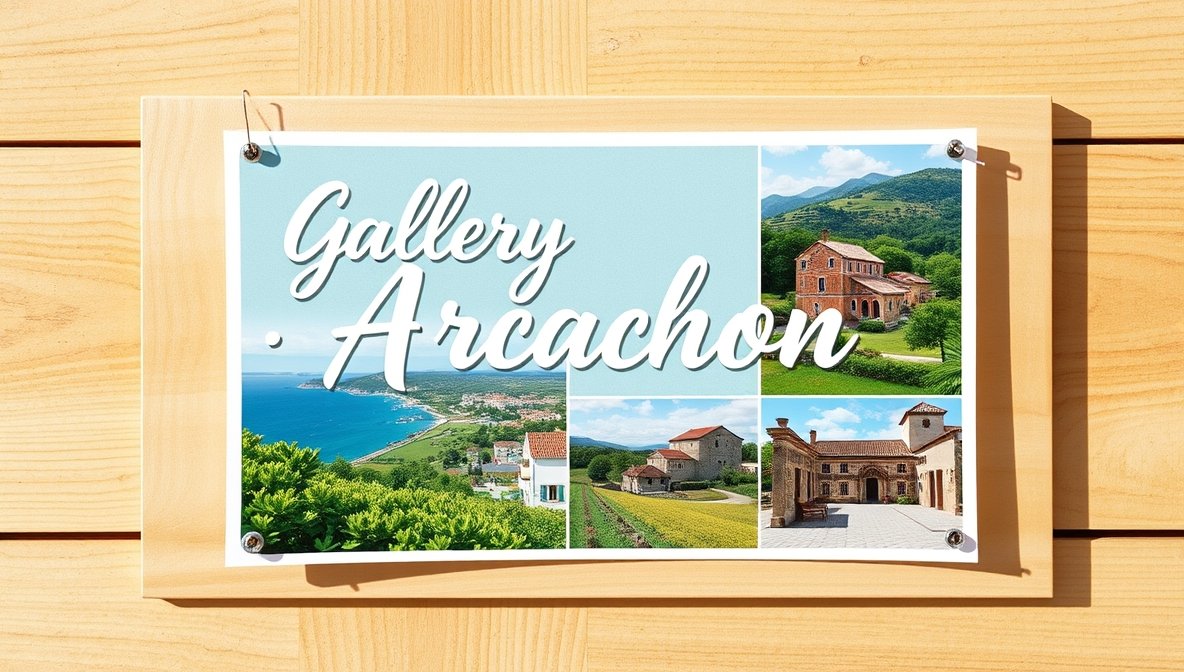
Art has always served as a reflection of human emotion, creativity, and cultural identity. From ancient cave drawings to modern digital masterpieces, painting remains one of the most powerful ways humans communicate ideas and experiences. Today, art galleries play a crucial role in preserving artistic heritage while supporting contemporary creators who redefine visual storytelling.
In the modern era, viewers no longer experience art only as decoration; instead, paintings inspire conversation, encourage reflection, and even influence social movements. Artists experiment with colors, textures, and perspectives to deliver messages that transcend language barriers. Within this evolving artistic landscape, curated collections such as gallery paintings arcachdir represent how modern exhibition practices blend tradition with innovation.
Understanding the significance of gallery exhibitions requires exploring history, artistic techniques, cultural impact, and the relationship between artists and audiences. This article examines how gallery spaces shape artistic appreciation and why curated painting collections continue to attract global attention.
The Evolution of Art Galleries
Art galleries did not emerge overnight. Early civilizations displayed artwork in temples, royal courts, and public monuments. These spaces were designed to celebrate power, religion, and cultural values. Over time, societies began establishing dedicated exhibition venues where artists could present work to wider audiences. exhibitions arcachdir
During the Renaissance period, art shifted from religious dominance toward human expression and realism. Wealthy patrons sponsored artists, helping galleries become centers of cultural dialogue. As industrialization expanded cities, public museums and galleries became accessible to ordinary citizens.
Modern galleries now function as creative ecosystems. They introduce emerging artists, preserve historical works, and provide educational experiences. Collections like gallery paintings arcachdir illustrate how contemporary exhibitions merge classical inspiration with modern interpretation, allowing visitors to explore both past and present simultaneously.
The Role of Paintings in Cultural Expression
Paintings hold unique power because they communicate emotion without requiring words. Every brushstroke reflects personal experience, social conditions, and philosophical thinking. Artists often respond to political events, environmental concerns, or personal identity struggles through visual narratives.
Cultural storytelling becomes especially visible when galleries curate thematic exhibitions. Visitors encounter diverse artistic voices representing multiple regions and traditions. Such curated presentations enable viewers to understand unfamiliar cultures through artistic perspective.
In many exhibitions, gallery paintings arcachdir symbolize the fusion of global influences. Artists borrow techniques from various traditions while adding contemporary meaning, creating artwork that resonates across generations.
Understanding Artistic Techniques
Appreciating paintings requires recognizing the techniques artists use to create visual impact. Several key elements define painting craftsmanship:
Color Theory
Colors evoke emotional responses. Warm tones may represent passion or energy, while cool tones suggest calmness or introspection. Skilled artists manipulate color relationships to guide viewer attention.
Composition
Composition determines how elements are arranged within a canvas. Balance, symmetry, and movement influence how audiences interpret a scene.
Texture and Medium
Artists experiment with oil, acrylic, watercolor, and mixed media to achieve different visual effects. Textured surfaces add depth and realism.
Exhibitions featuring gallery paintings arcachdir often highlight these techniques, allowing visitors to observe how creative decisions shape emotional interpretation.
The Emotional Connection Between Viewer and Artwork
One reason paintings remain timeless is their ability to create personal connections. Unlike digital images viewed quickly online, gallery experiences encourage slow observation. Visitors pause, reflect, and interpret artwork based on personal memories and feelings.
Psychologists note that art appreciation activates emotional and cognitive processes simultaneously. A single painting may evoke nostalgia, curiosity, or inspiration depending on individual perspective.
When viewers encounter collections such as gallery paintings arcachdir, they often describe a sense of immersion. The curated environment encourages deeper engagement, transforming passive viewing into meaningful interaction.
Modern Gallery Design and Visitor Experience
Contemporary galleries focus heavily on visitor experience. Lighting, spatial arrangement, and thematic flow influence how audiences perceive artwork.
Minimalist interiors allow paintings to stand out without distraction. Carefully positioned lighting enhances color vibrancy and texture. Interactive spaces encourage dialogue between visitors and artists.
Curators increasingly prioritize storytelling through exhibition design. Instead of displaying random pieces, galleries organize works into narratives. Within this approach, collections like gallery paintings arcachdir become cohesive journeys rather than isolated artworks.
Supporting Emerging Artists
Art galleries serve as essential platforms for emerging creators. Without exhibition spaces, many artists would struggle to reach audiences or gain recognition.
Curators evaluate originality, technique, and conceptual depth before presenting new talent. Exposure in galleries often leads to professional opportunities, collaborations, and international recognition.
For many young artists, inclusion in curated exhibitions such as gallery paintings arcachdir represents a turning point in their careers. It validates artistic vision while introducing their work to collectors and critics.
The Influence of Technology on Painting Exhibitions
Technology has transformed how audiences engage with art. Digital catalogs, virtual tours, and augmented reality tools allow viewers to explore exhibitions remotely.
However, physical gallery experiences remain irreplaceable. Seeing brush textures and scale in person creates emotional impact that digital screens cannot replicate.
Hybrid exhibitions combine traditional display methods with digital enhancement. Curators presenting gallery paintings arcachdir often integrate multimedia elements that deepen understanding without overshadowing original artwork.
Art Collecting and Investment Value
Art collecting has evolved from aristocratic tradition into a global market accessible to diverse buyers. Collectors purchase paintings not only for aesthetic enjoyment but also for cultural preservation and financial investment.
Factors influencing artwork value include artist reputation, rarity, historical significance, and emotional appeal. Galleries guide collectors by providing expertise and authenticity verification.
Curated collections like gallery paintings arcachdir attract collectors seeking meaningful additions to their portfolios. Such exhibitions showcase works selected for artistic quality rather than commercial trends alone.
Educational Impact of Galleries
Galleries function as informal educational institutions. Workshops, guided tours, and artist talks help audiences understand artistic processes and historical context.
Students benefit greatly from direct exposure to artwork. Observing techniques firsthand enhances creativity and critical thinking skills.
Educational programs centered around gallery paintings arcachdir encourage discussions about art history, symbolism, and cultural exchange, fostering deeper appreciation among visitors of all ages.
The Relationship Between Artists and Society
Artists often act as social commentators. Through paintings, they address topics such as identity, inequality, environmental change, and technological transformation.
Galleries amplify these voices by presenting artworks within public discourse. Visitors encounter ideas that challenge assumptions and inspire reflection.
Exhibitions featuring gallery paintings arcachdir frequently demonstrate how artistic expression bridges personal experience with collective social awareness.
Preserving Artistic Heritage
Art preservation ensures future generations can learn from past creativity. Conservation specialists protect paintings from environmental damage, aging, and deterioration.
Temperature control, restoration techniques, and archival documentation help maintain artwork integrity. Galleries invest significant resources in preservation efforts.
Collections like gallery paintings arcachdir highlight the importance of maintaining artistic heritage while continuing to evolve with contemporary perspectives.
The Globalization of Art Culture
Art galleries increasingly collaborate across countries, enabling international cultural exchange. Artists exhibit work beyond national borders, reaching diverse audiences.
Global exhibitions encourage cross-cultural understanding and artistic experimentation. Styles merge, traditions interact, and innovation flourishes.
Within this global context, gallery paintings arcachdir represents how curated collections can connect artistic communities worldwide while maintaining unique identity.
The Future of Painting Exhibitions
The future of galleries lies in adaptability. Sustainability, inclusivity, and technological integration will shape upcoming exhibition models.
Artists explore eco-friendly materials and socially conscious themes. Galleries adopt flexible spaces that support interdisciplinary creativity.
As artistic landscapes evolve, exhibitions like gallery paintings arcachdir demonstrate how tradition and innovation coexist, ensuring painting remains relevant in modern society.
FAQs
What makes gallery exhibitions important for artists?
Gallery exhibitions provide visibility, professional credibility, and direct interaction with audiences, allowing artists to share ideas while building meaningful connections within the art community.
Why do people still visit physical galleries in the digital age?
Physical galleries offer immersive experiences where viewers can appreciate scale, texture, and atmosphere in ways that digital images cannot fully replicate.
How do galleries select paintings for exhibitions?
Curators evaluate artistic originality, technical skill, thematic relevance, and emotional impact to create cohesive exhibitions that engage audiences intellectually and visually.
Can art appreciation be learned?
Yes, art appreciation develops through observation, education, and exposure. Understanding artistic techniques and historical context enhances emotional and intellectual engagement.
Are paintings still relevant in modern culture?
Paintings remain highly relevant because they express human emotion and cultural identity, offering perspectives that evolve alongside social and technological change.
Conclusion
Art galleries continue to play an essential role in shaping cultural awareness, supporting artists, and inspiring audiences worldwide. Paintings transcend language and time, allowing individuals to explore complex emotions and ideas through visual expression.
From historical masterpieces to experimental contemporary works, gallery spaces preserve artistic heritage while encouraging innovation. They foster dialogue, education, and creativity, ensuring that art remains accessible and meaningful for future generations.
The enduring appeal of curated exhibitions demonstrates humanity’s deep connection to artistic storytelling. Collections such as gallery paintings arcachdir exemplify how thoughtful curation transforms individual artworks into powerful narratives that resonate beyond the gallery walls.
As society evolves, painting exhibitions will continue adapting to new technologies and cultural shifts while maintaining their core purpose: celebrating creativity, inspiring imagination, and connecting people through shared artistic experience.