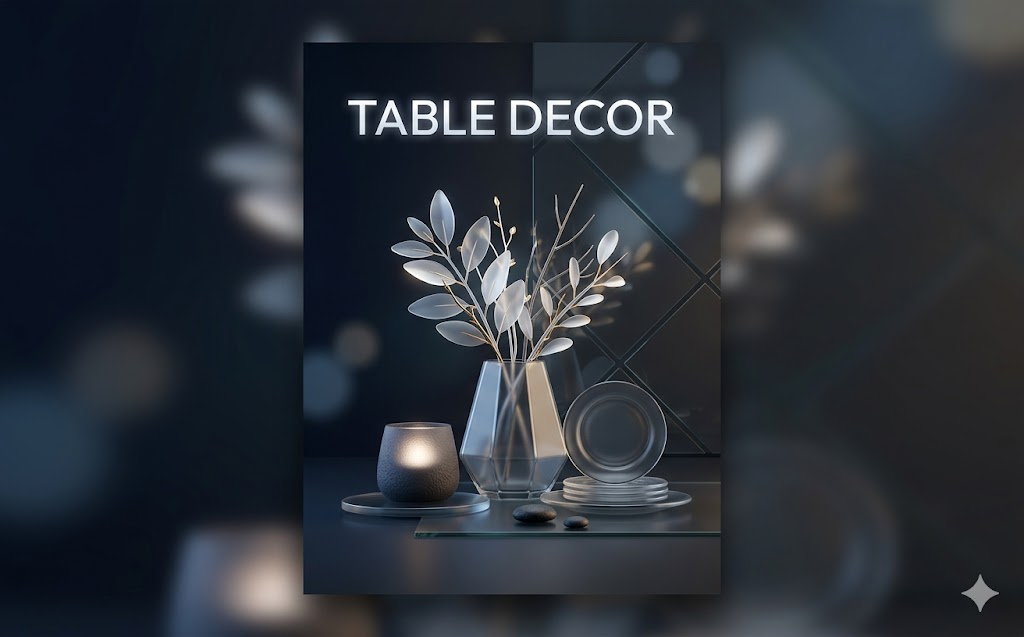
A beautifully arranged table can transform the look and feel of any room. Whether you are hosting guests, celebrating a special occasion, or simply enhancing your everyday living space, thoughtful table styling creates a welcoming atmosphere. Table decor is more than placing a few decorative items on a surface. It involves combining colors, textures, lighting, and accessories to create a balanced and attractive display.
From dining tables and coffee tables to console tables and side tables, every surface offers an opportunity to express personal style. The right decorations can add warmth, elegance, and character to your home while reflecting your unique taste. Understanding the principles of table decor helps you create spaces that are both functional and visually appealing.
Why Table Decor Matters
Many homeowners focus on furniture, wall art, and flooring while overlooking the importance of table styling. Tables often serve as focal points in a room, making them ideal spaces for decorative arrangements.
Well-planned table decor can instantly elevate a room’s appearance. It creates visual interest, adds personality, and helps tie different design elements together. A thoughtfully decorated table also makes guests feel welcome and contributes to a polished interior design.
Additionally, table decorations can be changed throughout the year, allowing homeowners to refresh their spaces without investing in major renovations or expensive furniture.
Choosing a Theme for Your Table
Before selecting decorative items, it is important to establish a theme. A consistent theme ensures that all elements work together harmoniously.
Popular themes include modern minimalism, rustic farmhouse, traditional elegance, coastal charm, and contemporary luxury. The chosen theme should complement the overall style of the room.
For example, a modern table may feature clean lines, geometric shapes, and neutral colors. A rustic table might incorporate natural wood, woven baskets, and greenery. By choosing a theme first, you can make decorating decisions with greater confidence.
Essential Elements of Table Decor
Creating an attractive table arrangement often involves combining several decorative elements.
Centerpieces
A centerpiece is usually the main focal point of a table. Popular choices include flower arrangements, candles, decorative bowls, sculptures, or vases. The centerpiece should be proportional to the table size and leave enough space for practical use.
Lighting
Lighting adds warmth and ambiance. Candles, lanterns, and small decorative lamps can create a cozy atmosphere. Soft lighting often enhances the beauty of decorative objects while making the space feel more inviting.
Natural Elements
Plants, flowers, branches, and greenery bring life and freshness to any arrangement. Natural elements add texture and create a connection with the outdoors.
Decorative Accessories
Books, trays, figurines, and artistic objects help personalize a table. These accessories should complement the overall theme rather than compete for attention.
Dining Table Decorating Ideas
The dining table is often one of the most important surfaces in a home. Even when not in use, it can serve as a stylish centerpiece for the dining area.
A floral arrangement in a decorative vase creates an elegant and timeless look. Seasonal flowers allow homeowners to refresh the display throughout the year.
Decorative trays filled with candles, greenery, or small ornaments can also make attractive dining table centerpieces. Using table runners adds texture and helps define the arrangement.
For formal occasions, consider incorporating elegant candle holders, fine table linens, and coordinated place settings. These details create a sophisticated and welcoming dining experience.
Coffee Table Styling Tips
Coffee tables provide an excellent opportunity to showcase creativity. Since they are often positioned in the center of living rooms, they naturally attract attention.
A common design approach involves grouping decorative items in odd numbers. For example, a stack of books, a small plant, and a scented candle create a balanced composition.
Decorative trays help organize smaller items while adding structure to the display. Mixing different heights and textures prevents the arrangement from appearing flat or repetitive.
Avoid overcrowding the table. Leaving some empty space helps maintain a clean and visually pleasing appearance.
Seasonal Table Decor Ideas
One of the greatest advantages of table decorating is the ability to adapt displays throughout the year.
Spring
Spring decorations often feature fresh flowers, pastel colors, and natural materials. Tulips, daffodils, and floral arrangements can brighten any table.
Summer
Summer themes emphasize lightness and freshness. Coastal-inspired decorations, seashells, woven baskets, and vibrant flowers create a cheerful atmosphere.
Autumn
Autumn arrangements commonly include pumpkins, dried leaves, warm colors, and rustic textures. Wooden accents and candles enhance the seasonal appeal.
Winter
Winter decor often incorporates evergreen branches, metallic accents, candles, and festive ornaments. These elements create warmth and elegance during colder months.
Color Coordination in Table Decor
Color plays a significant role in creating an attractive arrangement. A cohesive color palette helps establish harmony and visual balance.
Neutral tones such as white, beige, gray, and black offer timeless appeal. These colors work well in modern and minimalist interiors.
For a more vibrant look, consider incorporating accent colors that complement the room’s overall design. Blue and white combinations create a fresh coastal feel, while gold and black convey sophistication and luxury.
Limiting the color palette to two or three primary colors often results in a more polished and cohesive appearance.
Decorating Small Tables
Small tables require a thoughtful approach because limited space can quickly become cluttered.
Choose a few carefully selected decorative items rather than numerous accessories. A small vase with flowers, a candle, and a decorative object may be sufficient.
Vertical elements can add visual interest without occupying excessive surface space. Tall vases or slender candle holders help create dimension while preserving functionality.
Maintaining simplicity is especially important when decorating compact surfaces.
Using Trays for Better Organization
Decorative trays are among the most versatile table accessories. They help organize items while creating a structured arrangement.
A tray can hold candles, books, flowers, or seasonal decorations, making the overall display appear intentional and organized. Trays also make it easy to update arrangements by simply replacing a few items.
Materials such as wood, metal, glass, and marble offer different aesthetic effects. Choosing a tray that complements the table and surrounding decor enhances the overall design.
Balancing Function and Beauty
Successful table styling requires balancing decorative appeal with practicality. A table should remain functional while looking attractive.
Avoid placing decorations that interfere with daily activities. Dining tables should allow comfortable seating and serving, while coffee tables should provide accessible space for beverages and personal items.
Consider how the table is used before finalizing the arrangement. Functional design ensures that decorative elements enhance rather than hinder everyday living.
Common Table Decorating Mistakes
Many decorating challenges arise from a few common mistakes.
Overcrowding is one of the most frequent issues. Too many decorative objects can make a table appear cluttered and disorganized.
Ignoring scale can also create visual imbalance. Large tables require larger decorative elements, while smaller tables benefit from more compact arrangements.
Another mistake involves using decorations that do not match the room’s style. Consistency helps create a cohesive and harmonious interior.
Finally, neglecting seasonal updates can make arrangements feel stale over time. Refreshing displays periodically keeps spaces looking vibrant and current.
Budget-Friendly Table Decor Solutions
Creating beautiful table displays does not require a large budget. Many attractive arrangements can be achieved using affordable materials.
Fresh flowers from local markets provide an inexpensive way to add color and elegance. Decorative bowls filled with natural items such as pinecones, stones, or seasonal fruit can create eye-catching centerpieces.
Repurposing existing household items is another cost-effective strategy. Books, candles, glass jars, and family heirlooms can become stylish decorative features when arranged thoughtfully.
Shopping at thrift stores and local craft markets may also uncover unique decorative pieces at reasonable prices.
Conclusion
Table decor is a simple yet powerful way to enhance the beauty and atmosphere of any home. By combining centerpieces, lighting, natural elements, and carefully selected accessories, homeowners can create inviting and visually appealing spaces. Whether decorating a dining table, coffee table, or side table, thoughtful styling adds personality and charm to everyday living.
With the right theme, color palette, and decorative elements, any table can become a stunning focal point. Regular updates and seasonal touches keep arrangements fresh and engaging throughout the year. By balancing beauty with functionality, table decor can transform ordinary surfaces into extraordinary design features that enrich the entire home.