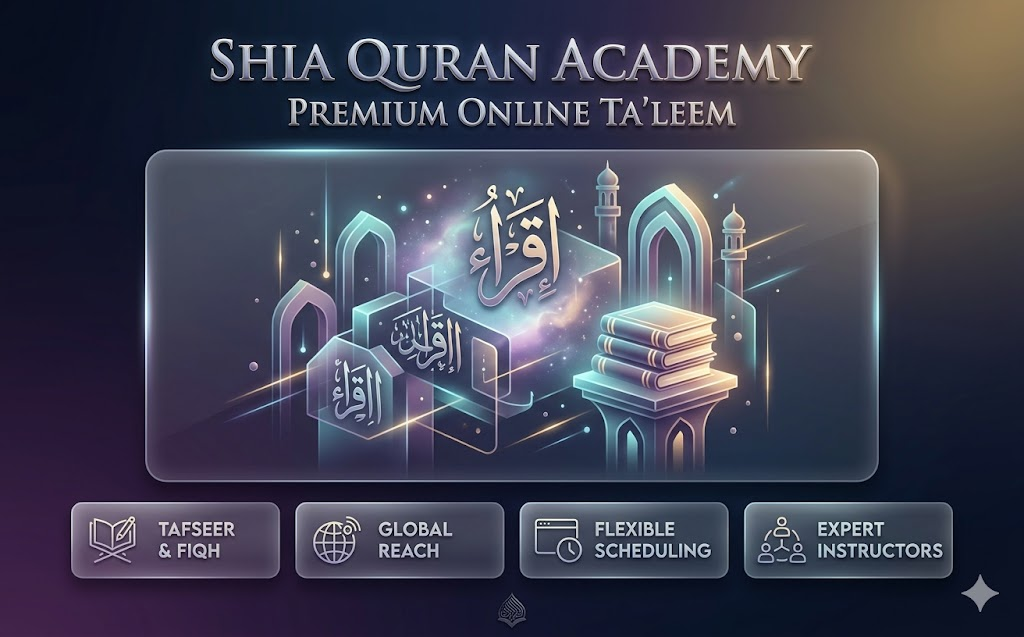
Shia Quran academies provide structured religious education designed especially for young students who are beginning their journey of understanding the Holy Quran. These academies focus on building a strong foundation in recitation, comprehension, and spiritual values. The learning environment is usually calm, supportive, and child friendly, ensuring that students feel comfortable while learning sacred knowledge. Teachers aim to make the Quran accessible and engaging for children by using simple explanations and gradual learning steps. The goal is to nurture both knowledge and love for the Quran from an early age.
Teaching Methodology for Young Students
Shia Quran academies use structured teaching methods that are tailored to the age and understanding level of young learners. Teachers begin with basic Arabic letters and gradually move toward full Quranic verses. Lessons are repeated regularly to ensure memorization and correct pronunciation. Children are encouraged to ask questions and participate actively in class. This method helps build confidence and reduces fear of making mistakes during learning.
Role of Qualified Teachers
Qualified teachers play a central role in shaping the learning experience of young students in a Shia Quran academy. They are trained not only in Quranic recitation but also in child psychology and teaching techniques. This helps them communicate effectively with children and adapt lessons according to individual needs. Teachers act as mentors, guiding students with patience and encouragement throughout their learning journey.
Quran Recitation and Tajweed Basics
A key focus of a Shia Quran academy is teaching proper Quran recitation with correct Tajweed rules. Young students are introduced to pronunciation guidelines step by step so they can recite the Quran accurately and beautifully. Teachers use repetition and listening exercises to help students master difficult sounds. Special attention is given to ensuring that children understand the importance of reciting the Quran with respect and care.
Interactive Learning Tools and Online Classes
Modern Shia Quran academies often use interactive tools and online platforms to make learning more engaging for young students. Digital whiteboards, audio recitations, and video sessions help children stay focused and understand lessons better. Online classes also allow students from different locations to join easily without geographical limitations. This flexibility makes Quran education more accessible to families around the world.
Moral and Spiritual Development
Beyond academic learning, Shia Quran academies emphasize moral and spiritual development in young students. Children are taught values such as honesty, respect, patience, and kindness through Quranic teachings. Lessons are designed to connect religious knowledge with daily life, helping students become better individuals. This holistic approach ensures that students grow not only in knowledge but also in character and faith.
Personalized Attention and Progress Tracking
Each student in a Shia Quran academy receives personalized attention to ensure steady progress in learning. Teachers regularly assess performance and provide feedback to help students improve. Slow learners are given extra support while advanced students are encouraged to move ahead at a suitable pace. Progress tracking systems help parents and teachers stay informed about the child’s development.
Parental Involvement and Support
Parental involvement is an important part of the learning process in a Shia Quran academy for young students. Parents are encouraged to monitor their child’s progress and support daily practice at home. Regular communication between teachers and parents helps address learning challenges early. This collaboration ensures that children remain motivated and consistent in their Quran studies.
Importance of Early Quran Education
Early Quran education plays a vital role in shaping the religious understanding and character of young students in a Shia Quran academy. When children start learning the Quran at an early age, they develop stronger memorization skills and better pronunciation habits. Their minds are more receptive, which makes it easier to absorb teachings and apply them in daily life. Early exposure to Quranic values also helps children build a strong moral foundation that guides their behavior as they grow. In addition, it creates a lifelong connection with the Quran, encouraging continuous learning and spiritual growth. By introducing structured lessons early, academies ensure that students develop confidence in recitation and understanding. This early foundation becomes the basis for advanced learning in later stages of education and strengthens their identity as practicing individuals. Parents also notice positive changes in discipline, focus, and behavior when children begin Quran learning early in life. This supports both academic success and spiritual development over time strongly.
Technology Integration in Modern Academies
Modern Shia Quran academies increasingly integrate technology into their teaching systems to enhance learning for young students. Digital platforms, mobile applications, and interactive tools make Quran education more engaging and accessible. Students can listen to correct recitations, repeat lessons, and track their progress using online dashboards. Technology also allows teachers to conduct live classes with students from different regions, making education flexible and convenient. Visual and audio aids help children understand pronunciation and memorization more effectively. In addition, recorded lessons provide opportunities for revision at any time, improving long-term retention. The use of technology also helps maintain student interest by making learning more interactive and less traditional. As a result, young learners remain motivated and connected to their studies even outside classroom hours, ensuring continuous improvement and consistent engagement with the Quran. Teachers also receive training to effectively use digital tools for better classroom management and improved student engagement outcomes. This ensures smooth integration of technology into daily learning activities.
Challenges and Solutions in Teaching Young Students
Teaching young students in a Shia Quran academy comes with certain challenges, including maintaining attention, ensuring consistent practice, and managing different learning speeds. Children may sometimes struggle with pronunciation or lose focus during lessons, which requires patient and creative teaching methods. To address these challenges, teachers use engaging activities, repetition techniques, and positive reinforcement to keep students motivated. Breaking lessons into smaller parts also helps improve understanding and retention. In addition, regular communication with parents supports consistent practice at home. Academies also provide extra support sessions for students who need additional help. By identifying challenges early and applying effective solutions, teachers ensure that every student progresses steadily. This balanced approach helps maintain a positive learning environment where children feel encouraged and supported throughout their Quran education journey. Continuous improvement in teaching methods ensures that academies can adapt to the evolving needs of modern learners. This creates a more effective and supportive learning environment for every child involved over time successfully.
Future of Shia Quran Academies for Children
The future of Shia Quran academies for young students looks promising as more families recognize the importance of structured religious education combined with modern teaching methods. With advancements in technology and teaching strategies, these academies are expected to become more accessible, interactive, and effective. Online platforms will continue to expand, allowing students from around the world to join high quality Quran learning programs. Teachers will increasingly use digital tools, multimedia resources, and personalized learning systems to enhance student engagement. In addition, there will be greater emphasis on combining traditional Islamic teachings with modern educational approaches. This balance will help children develop both religious knowledge and essential life skills. As awareness grows, more parents will choose these academies to ensure their children receive strong moral, spiritual, and academic foundations. Ultimately, Shia Quran academies will continue evolving to meet the needs of future generations while preserving core teachings of Quran.
Conclusion
In conclusion, a Shia Quran academy provides a comprehensive and structured approach to teaching young students the Holy Quran with care, patience, and dedication. Through qualified teachers, interactive methods, and modern technology, these academies create a supportive learning environment that helps children develop strong recitation skills and a deep understanding of Islamic values. The focus on early education, personalized attention, and moral development ensures that students not only learn to read the Quran but also apply its teachings in their daily lives. Parental involvement and continuous progress tracking further enhance the learning experience, making it more effective and consistent. As these academies continue to evolve, they remain committed to preserving traditional teachings while embracing modern educational practices. This balanced approach ensures that young learners grow into knowledgeable, confident, and spiritually aware individuals who carry teachings of Quran throughout lives.