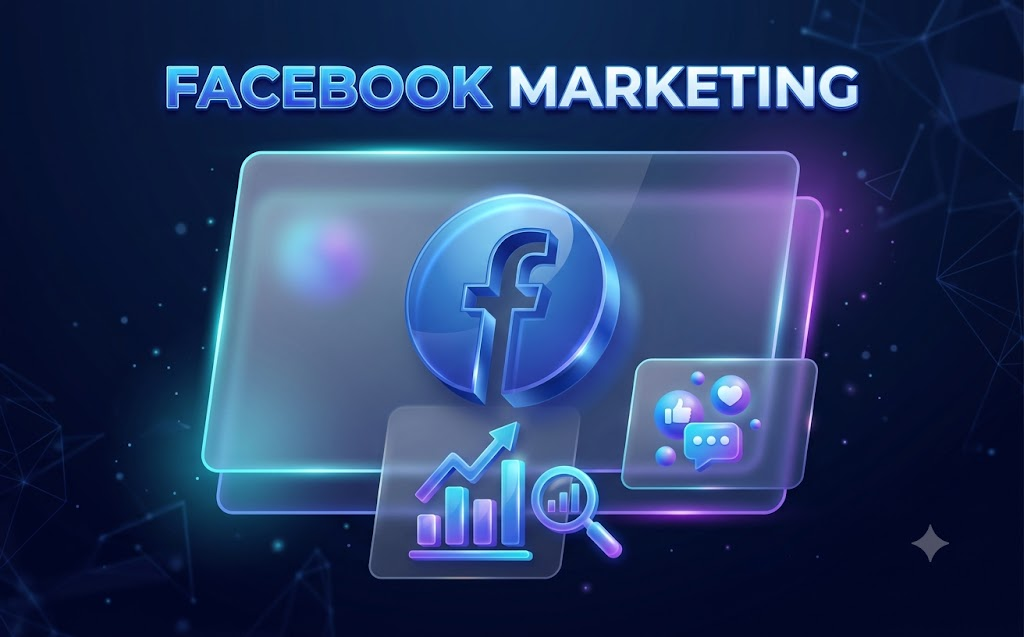
Facebook remains one of the most powerful digital platforms for businesses seeking to connect with customers, increase brand awareness, and generate sales. Despite the emergence of newer social media channels, Facebook continues to attract billions of active users worldwide. This massive audience makes it a valuable platform for businesses of all sizes. Whether you operate a small local store or a global company, Facebook marketing provides tools and opportunities to reach your target audience effectively.
Businesses that understand how to use Facebook strategically can build strong customer relationships, improve engagement, and achieve measurable growth. The platform offers a variety of features, including business pages, groups, advertising options, live videos, and marketplace opportunities. Learning how to utilize these tools can significantly improve marketing performance and business success.
What Is Facebook Marketing
Facebook marketing refers to the process of promoting products, services, or brands through Facebook’s platform. It includes both organic and paid methods of reaching audiences. Organic marketing involves publishing content, engaging with followers, and building communities without direct advertising costs. Paid marketing uses Facebook Ads to target specific audiences and drive desired actions.
The primary goal of Facebook marketing is to connect businesses with potential customers in meaningful ways. By sharing valuable content and interacting with users, companies can increase trust and encourage conversions. Effective marketing strategies combine creativity, audience understanding, and data analysis to maximize results.
Why Facebook Marketing Matters
One of the biggest advantages of Facebook marketing is its enormous user base. Businesses can access people from different age groups, locations, interests, and backgrounds. This diversity allows marketers to create highly targeted campaigns that reach the right audience.
Facebook also offers advanced analytics tools that help businesses track performance. Marketers can monitor engagement rates, clicks, conversions, and audience behavior. These insights make it easier to refine strategies and improve future campaigns.
Another reason Facebook marketing is important is its affordability. Compared to traditional advertising methods, Facebook allows businesses to reach thousands of potential customers at relatively low costs. This makes it especially valuable for startups and small businesses with limited budgets.
Creating a Strong Facebook Business Page
A professional business page serves as the foundation of successful Facebook marketing. It acts as a digital storefront where customers can learn about your company, products, and services.
Businesses should use a high-quality profile image and cover photo that represent their brand identity. The about section should include accurate information such as contact details, website links, business hours, and a concise description of services.
Consistency is essential. Branding elements, messaging, and visuals should align with other marketing channels. A well-maintained page builds credibility and encourages visitors to become followers or customers.
Understanding Your Target Audience
Knowing your audience is crucial for Facebook marketing success. Businesses must identify who their ideal customers are, what interests them, and how they behave online.
Audience research can include analyzing demographics, purchasing habits, interests, and engagement patterns. Facebook Insights provides valuable information about page followers and content performance. These insights help marketers create content that resonates with their audience.
When businesses understand their audience, they can deliver more relevant messages. Relevant content increases engagement, strengthens relationships, and improves conversion rates.
Developing an Effective Content Strategy
Content is the driving force behind successful Facebook marketing. A thoughtful content strategy helps businesses attract attention and maintain audience interest over time.
Content should provide value, whether through education, entertainment, inspiration, or problem-solving. Businesses can share blog posts, videos, images, customer stories, industry news, and behind-the-scenes content.
A balanced content mix keeps followers engaged. Promotional posts should be combined with informative and interactive content to avoid overwhelming audiences with sales messages. Consistency in posting also helps maintain visibility and audience engagement.
Using Visual Content for Better Engagement
Visual content plays a major role in Facebook marketing performance. Images and videos typically receive higher engagement than text-only posts because they capture attention more effectively.
High-quality visuals can communicate messages quickly and create stronger emotional connections. Videos are particularly effective because they encourage longer viewing times and greater interaction.
Businesses should invest in professional graphics, branded visuals, and engaging video content. Visual consistency reinforces brand recognition and helps create a memorable online presence.
Leveraging Facebook Groups
Facebook Groups provide a unique opportunity for community building. Unlike business pages, groups encourage deeper discussions and stronger member interactions.
Businesses can create groups focused on shared interests related to their products or industry. These communities allow brands to engage directly with customers, answer questions, and gather valuable feedback.
Active groups foster loyalty and trust. Members often become brand advocates who recommend products and services to others. This word-of-mouth promotion can significantly enhance marketing effectiveness.
The Power of Facebook Advertising
Facebook Ads are among the most powerful tools available to digital marketers. The platform’s sophisticated targeting capabilities allow businesses to reach specific audiences based on demographics, interests, behaviors, and online activity.
Advertisers can choose various campaign objectives such as brand awareness, website traffic, lead generation, engagement, and sales. This flexibility makes Facebook advertising suitable for businesses with different goals.
Successful advertising campaigns require compelling visuals, persuasive copy, and clear calls to action. Testing different ad formats and audience segments helps optimize performance and maximize return on investment.
Retargeting and Remarketing Strategies
Not every visitor converts during their first interaction with a brand. Retargeting helps businesses reconnect with users who have previously engaged with their website, content, or advertisements.
Facebook Pixel enables businesses to track user actions and create customized retargeting campaigns. These campaigns remind potential customers about products they viewed or actions they started but did not complete.
Remarketing often leads to higher conversion rates because it focuses on individuals who have already shown interest in the brand. This targeted approach increases efficiency and reduces wasted advertising spend.
Measuring Facebook Marketing Performance
Tracking results is essential for continuous improvement. Facebook provides several analytics tools that help businesses understand how their content and advertisements perform.
Important metrics include reach, impressions, engagement, click-through rates, conversions, and return on ad spend. Monitoring these indicators helps marketers identify strengths and areas for improvement.
Regular analysis allows businesses to make informed decisions. By understanding what works and what does not, marketers can adjust strategies and improve overall performance.
Common Facebook Marketing Mistakes
Many businesses struggle with Facebook marketing because they make avoidable mistakes. One common error is focusing too heavily on promotional content while neglecting audience value.
Another mistake is inconsistent posting. Irregular activity can reduce visibility and weaken audience engagement. Businesses should maintain a consistent publishing schedule to remain relevant.
Ignoring analytics is also problematic. Without performance data, marketers cannot accurately assess campaign effectiveness. Successful businesses continuously evaluate and refine their strategies based on measurable results.
Building Customer Relationships Through Engagement
Engagement is one of the most important aspects of Facebook marketing. Responding to comments, messages, and questions demonstrates that a business values its customers.
Interactive content such as polls, quizzes, and live sessions encourages participation and strengthens connections. Customers who feel heard and appreciated are more likely to remain loyal and recommend the brand to others.
Authentic communication helps build trust. Businesses should focus on creating genuine conversations rather than simply broadcasting promotional messages.
Future Trends in Facebook Marketing
The future of Facebook marketing will likely be shaped by advancements in artificial intelligence, personalization, and video content. Businesses that embrace these trends can maintain a competitive advantage.
Short-form videos continue to gain popularity, making them an essential component of modern marketing strategies. Personalized experiences based on customer behavior and preferences will also become increasingly important.
Automation tools can help businesses manage campaigns more efficiently while improving targeting accuracy. As technology evolves, marketers must stay informed and adapt their strategies to changing consumer expectations.
Conclusion
Facebook marketing remains one of the most effective methods for reaching and engaging customers online. Its combination of massive audience reach, advanced targeting capabilities, and diverse content formats makes it an essential tool for modern businesses.
Success requires more than simply creating a business page. Companies must understand their audience, develop valuable content, leverage advertising opportunities, and consistently measure performance. Building genuine relationships through engagement further strengthens brand loyalty and long-term growth.
Businesses that invest time and effort into Facebook marketing can increase visibility, generate leads, improve customer relationships, and achieve sustainable success in an increasingly competitive digital landscape. By following proven strategies and adapting to emerging trends, organizations can maximize the benefits of Facebook and continue growing their online presence for years to come.